

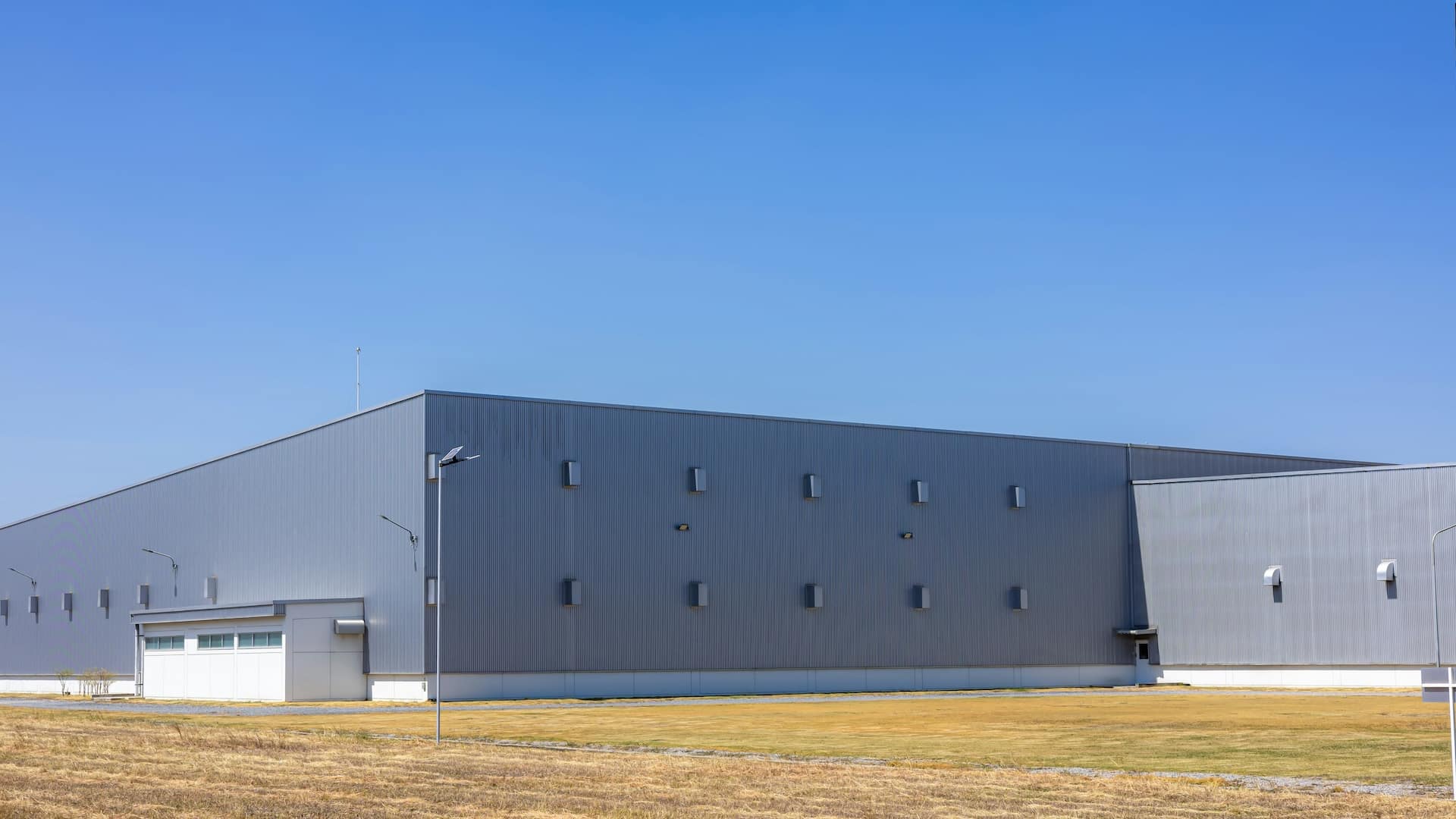
Building a warehouse or distribution center in Utah in 2026 means looking closely at timing, site prep, weather, and long-term use. Getting out ahead of these projects takes clear planning and a smart approach to estimating and scheduling. Whether you are expanding regionally or planning a single industrial site, the cost to build depends on more than just square footage. From the layout and soil conditions to the materials and permitting process, every piece has a role in how fast and how efficiently the project moves.
In this guide, we are sharing what drives cost on warehouse projects in Utah and how to make better decisions early. With February planning already in motion, smart preparation now means building with fewer stops later. We are not just thinking about cold weather; we are thinking about keeping your entire schedule under control, no matter what the season brings. That is where a commercial construction contractor in Utah with strong, repeatable processes makes a real difference.
What Impacts the Cost of a Warehouse Build in Utah
Every location has a story, and in Utah, a warehouse build often starts with understanding the land. Site conditions play a big role in setting the pace. Grading, utility access, and how quickly crews can mobilize all tie back to what is underfoot. Rocky terrain or wet soils may slow things down, so planning around those realities early helps reduce the risk of delays.
Inside the building footprint, layout drives both function and budget. Costs vary depending on whether you are building out office areas, dedicating square footage to high-volume distribution, or needing specialized dock-door setups. The clearer the layout is from the beginning, the more accurate the estimate will be.
Material choices follow next. In the Intermountain region, tilt-up concrete and steel frames are common for their long-term durability and speed of build. Knowing which option fits your schedule and use case makes a big difference in total cost and timeline. These are not flashy decisions, but they are the ones that keep a project moving without surprises.
How Utah’s Weather and Climate Shape Construction Schedules
Utah’s winters can be tough on build schedules. Freezing temperatures, snow, and wind affect everything from material handling to how much site work gets done in a day. Planning for these conditions is necessary if you want to stay on track.
Getting ahead of winter delays means mobilizing early. That starts with having your permits, scope, and schedule aligned before the snow hits. Once winter arrives, cold-weather planning helps keep crews working with fewer gaps. That might mean warming and protecting concrete pours or delivering materials in tighter windows.
You also have to schedule with weather buffers in mind. In construction, the unexpected often comes down to storms and freeze-thaw cycles. If you do not account for temporary slowdowns, they can turn into full weeks of lost time. When you build in those buffers early, they do not surprise you later.
Estimating and Budgeting Early for 2026 Projects
The best warehouse builds do not wait on numbers; they move with them. Fast budgeting helps both on the front end and once the project kicks off. We have seen how quick estimating can unlock decisions weeks ahead of schedule. When you are planning a 2026 start, every week matters.
Solid estimates support more than cost questions. They help secure financing, tighten scopes, and align internal approvals. When stakeholders see real numbers tied to real scope, the green light comes much faster. It is about setting up the build for fewer resets.
For 2026, we are also watching things like labor availability, material sourcing, and inflation. None of those stay flat. Checking in on what is moving, and how that might affect the budget, gives you more flexible options as the project takes shape.
Speed, Scale, and Repeatability for Multi-Site Rollouts
If you are building more than one site, the rules change. You are not just chasing one open date; you are building a system. That is where speed and repeatability matter. We have seen how fast-track permitting and early preconstruction shape a smoother rollout. It is about prepping multiple locations to be shovel-ready at the same time.
Ground-up builds at scale require serious coordination. Keeping builds between $5M and $20M on track means planning repeatable frameworks, templates, layouts, and systems that can adjust slightly but stay core to the original model. When that playbook works, the next site moves even faster.
With the right workflows in place, we can move from planning to dirt work quickly and roll into vertical construction without a stop. Local knowledge, combined with broader regional planning, gives us the flexibility to support multi-state expansion without losing momentum.
Timeline Predictability and Contractor Fit
Not every general contractor can move fast while still managing details. Predictable schedules start with selecting a builder who works like an operator, not just a builder. We treat every hour on site as a lever to make or lose time.
That fit matters even more in Utah, where zoning, city planning, and region-specific codes can change from one town to the next. We stay local while thinking nationally. Having licenses in over 30 states lets us pull in resources and knowledge without slowing down when you cross state lines.
Cook Builders specializes in commercial construction and tenant improvements, routinely delivering large-scale warehouse projects for repeat clients who value both speed and consistent quality. More than 90 percent of our business comes from referrals and repeat customers, so our clients trust us to keep schedules reliable and deliver consistent results across every build.
When we commit to a date, it starts before breaking ground. It starts with how well your contractor syncs design, estimating, permitting, and schedule into one clear plan. Getting that alignment early reduces the unknowns that usually slow builds down.
Stay On Track for 2026: Pick a Partner with Experience
Getting a warehouse or distribution center built on time in 2026 starts long before the slab is poured. It starts with understanding the land, the climate, the approvals, and the team. From choosing the right design to planning around weather, every detail counts. Staying in control means no big surprises, just steady progress.
Planning smarter means building better. When timelines stay tight, decisions are clear, and coordination runs deep, you keep things moving. Whether it is one site or twenty, the priority remains the same: stay ahead of delays and build with confidence. With the right partner, 2026 will not slow you down.
Smart planning starts with the right partner, especially when you are working against seasonal slowdowns across Utah. From early mobilization to fast-track estimating, we build every warehouse with schedule clarity and repeatability in mind. For a reliable way to stay on track in 2026, a proven commercial construction contractor in Utah can help align your project from the ground up. At Cook Builders, we know the terrain and we have built the systems to move fast across it. Let’s talk about how to make your timeline work.